From Skeptic to Power User - My Journey with AI-Assisted Development
What started as a frustrating experiment with v0 has evolved into a powerful workflow. A story about v0 Max Mode, self-built tools, and the art of using AI correctly.
In August 2025, I wrote about my first experiences with Vercel's v0. My verdict back then: A powerful tool, but one with noticeable edges. Tailwind ghosts in the codebase, version issues, and a credit system that gently but firmly nudged me towards the Vercel ecosystem.
Today, six months later, my development world looks completely different. What started as cautious experimentation has evolved into a workflow that has multiplied my productivity.
v0 Max Mode: The Game-Changer
The biggest change came with v0 Max Mode. Vercel invested heavily in their model infrastructure over time. With the integration of Claude Opus as the underlying model and the introduction of their own v0 Composite Model Family, they addressed most of my original criticisms.
The differences are noticeable:
Better context understanding: The model now understands not just what I want to build, but why. It asks smarter follow-up questions and makes fewer assumptions.
Visually impressive: The generated UIs no longer look "generated." They have a sense for proportions, whitespace, and modern design patterns.
Less opinionated: The stubborn Tailwind obsession is gone. When I want Material-UI, I get Material-UI.
Of course, there are still quirks. Sometimes it forgets context from earlier messages, sometimes it generates code for features I never mentioned. But the ratio of "Wow!" to "Why?!" has improved dramatically.
Koda: My Own AI Assistant
Over time, I realized I needed more than just a code generation tool. I needed a place to think. A sparring partner for the phase before the first commit.
Existing AI chats all failed to convince me. They were either too superficial, poorly searchable, or had no way to meaningfully organize conversations. So I built Koda.
Koda is my personal AI chat with over 100 models under the hood - GPT-4o, Claude, Gemini, DeepSeek, and many more. But the special thing isn't the model selection. It's the ability to structure my thoughts:
Shelves & Tags: I organize my projects and ideas the way my brain works
Favorites: Important insights are just one click away
File context: I can embed code, documents, and images directly into the conversation
Web search: Current information flows seamlessly into the discussion
Koda isn't a replacement for v0 or other code tools. It's where ideas are born and refined before they become code.
The New Workflow
With v0 and Koda as tools, a workflow has crystallized that works for me:
Phase 1: Ideation in Koda
Every new project starts with a conversation. Not with code, but with questions:
What's the actual problem I'm solving?
Who am I building this for?
What's the MVP - and what's feature creep?
Koda helps me distill my vague ideas into concrete requirements. This step is crucial. The clearer my vision at the beginning, the fewer iterations I need later.
Phase 2: Bootstrap with v0
With a clear picture in mind, I move to v0. This is where the foundation is built:
Layout and navigation
Core components
Routing structure
V0 delivers in minutes what used to take hours. And with one click, the project is deployed on Vercel and the GitHub repository is created.
Phase 3: Refinement with OpenCode
This is where it gets interesting. OpenCode has added a new dimension to my workflow.
OpenCode is an open-source AI coding agent that lives directly in the terminal. It understands not just my code, but my project. It navigates through files, understands dependencies, and can perform complex refactorings.
The combination is powerful:
v0 for the quick visual start
OpenCode for deep local development
OpenCode shines especially at tasks v0 can't handle:
Cross-file refactorings
Test implementation
Bug fixing with full project context
Complex feature extensions
The Projects That Resulted
This combination of tools has allowed me to realize several projects in a short time:
Action Architect: A tool for game designers to balance abilities
StoryLinter: Finds plot holes in stories before readers do
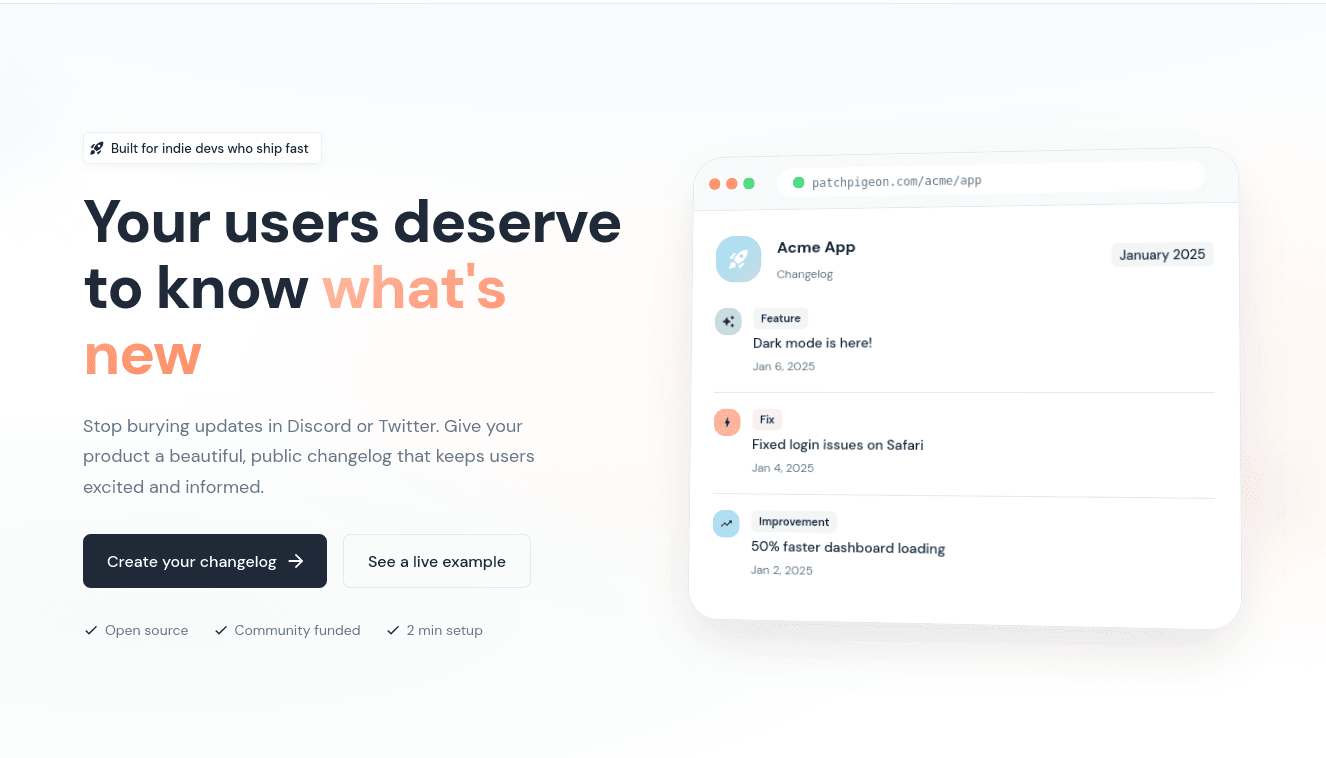
PatchPigeon: Beautiful changelogs for indie developers (Open Source)
WashiWay: A fast math game for in-between (Open Source)
Each of these projects followed the same pattern: Thinking in Koda, bootstrapping in v0, refining in OpenCode.
The Art of Guiding
What I've learned in these six months: AI tools aren't autopilots. They're amplifiers.
The crucial skill is no longer just writing code. It's communicating precisely:
What do I want to build?
Why this solution and not another?
What constraints exist?
The better I can answer these questions, the better the tools work for me. Technical knowledge remains important - not to write every line yourself, but to guide the AI in the right direction and evaluate its suggestions.
Where the Journey Goes
For smaller tasks, I still reach for the IDE. Not every change needs an AI agent. Sometimes a quick edit is simply faster.
But we're close. Very close. The tools get better every month. The models understand more context. The integration becomes more seamless.
I'm curious where we'll be in another six months. If development continues like this, manual code editing will become the exception rather than the rule.
One thing is certain: The best time to build software is now. The barrier between idea and implementation has never been lower. And with the right workflow - one that uses AI tools not as replacement, but as amplifiers - a single developer can accomplish more today than ever before.
The future isn't AI or developer. It's AI and developer, in a dance where both lead and follow.